- Series
- | Authors
- | Book Release Calendar
- | Search |
- Genres
- | Newsletter
- Welcome to FictionDB, Guest
- | My Account
- | Help

Port William — by Wendell Berry
Port William Series in Order: 11 books
-
 The Memory of Old Jack
Old Jack, born just after the American Civil War and dying in contemporary times, spends one beautiful September day in Port William, his home since birth, remembering.The story tells of the most searing moments of Old Jack's life, particularly his d...
-
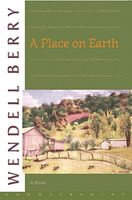 A Place on Earth
In the second book of the beloved Port William series, Wendell Berry weaves a portrait of a community bound by war, loss, and hope, where "the earth is the genius of our life" and final questions find their answersPublished in 1967, we return to Port...
-
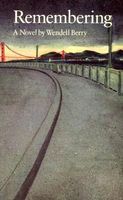 Remembering
In the fifth book of the Port Williams Membership, Andy Catlett grapples with the loss of his hand and confronts the clash between industrial agriculture and traditional farming, ultimately finding redemption through memory and reconnection to the la...
-
 Two More Stories of the Port William Membership
Fiction. Two stories of rural life from the author of WATCH WITH ME and FIDELITY, newly available in paperback from Gnomon. As a celebrator of the land and the turning of the seasons that govern us still, Wendell Berry is, indeed, our writer for all ...
-
 A World Lost
Wendell Berry's haunting novel follows Andy Catlett as he revisits the summer of 1944 when his beloved Uncle Andrew was killed and, years later, seeks to unravel the mystery of that violent act and understand how memory and love shape our lives acros...
-
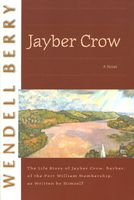 Jayber Crow
Jayber Crow returns to Port William in 1932 as the town barber in the seventh book in the Port William series, armed with questions he cannot answer but must live out -- a mystery that may take longer than a lifetime"This is a book about Heaven," say...
-
 That Distant Land
Originally published in 2005, That Distant Land brings together twenty -- three stories from the Port William Membership. Arranged in their fictional chronology, the book is not an anthology so much as it is a coherent temporal mapping of this landsc...
-
 Andy Catlett
A young boy takes a trip on his own to visit his grandparents in Kentucky in the tenth entry in Wendell Berry's beloved Port William Membership seriesIn this "eloquent distillation of Berry's favorite themes: the importance of family, community and r...
-
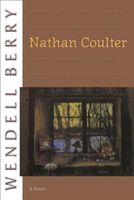 Nathan Coulter
Welcome to Port William. In his debut novel and the first in his beloved series, Wendell Berry introduces readers to a place where community becomes "membership," bound by affection, duty, and an inseparable devotion to the landNathan Coulter, Wendel...
-
-
 A Place in Time
In this eleventh volume spanning 1864 to 1991, Wednell Berry's entire Port William membership returns -- filling gaps, keeping faith, and proving that a single place across time is one of American literature's great achievements The story of the comm...


Series Premise
The central premise of the Port William series revolves around the interconnected lives of the residents of a small agricultural community in Kentucky. Over the course of the narrative, readers encounter farmers, shopkeepers, families, and neighbors whose lives intersect in meaningful ways. Each story contributes to a broader portrait of the town and its people, revealing how individual choices and experiences ripple outward to shape the entire community.
Rather than focusing on a single mystery or conflict, the series examines everyday life—working the land, raising families, coping with loss, and maintaining traditions in a changing world. The characters’ struggles often arise from economic pressures, generational shifts, and the gradual transformation of rural society as modern technology and cultural changes influence agriculture and small-town life.
One of the unique aspects of the series is its structure. The stories are interconnected and share many of the same characters, but they do not always follow a strict chronological progression. Readers often encounter events from different perspectives or revisit moments in time through the memories of various narrators.
Because of this narrative design, the books do not necessarily need to be read in a specific order to be understood or appreciated. However, reading them roughly in chronological order can deepen the reader’s understanding of the relationships between characters and the generational changes that shape the community over time.
At the heart of the series lies a simple yet powerful question: what does it mean to truly belong to a place? The residents of Port William must continually balance personal ambitions with their responsibilities to family, neighbors, and the land itself. Through their experiences, the series explores the idea that a meaningful life is often rooted in relationships and shared commitments.
Port William Series Characters
The Port William series features a large ensemble of characters whose lives intersect over several generations. Rather than focusing on a single hero or central figure, Berry presents a community portrait in which many individuals contribute to the narrative.
One of the most prominent characters is Jayber Crow, a barber who serves as both participant and observer within the community. Jayber’s role allows him to interact with a wide range of residents, giving him insight into the relationships and histories that define Port William. His reflective nature and deep affection for the town make him an important voice in the series.
Another key figure is Mat Feltner, a farmer whose life reflects the dedication and resilience required to sustain a family farm. Mat embodies the values of hard work, responsibility, and loyalty that are central to the community’s identity. Through his experiences, readers gain insight into the challenges faced by those who rely on the land for their livelihood.
Mat’s wife, Margaret Feltner, is equally significant within the narrative. Her strength, compassion, and commitment to her family illustrate the vital role that women play in maintaining both household and community stability. Margaret’s perspective highlights the emotional dimensions of rural life, including the sacrifices and responsibilities that accompany it.
Another memorable character is Burley Coulter, a man whose personality reflects both independence and deep loyalty to his friends. Burley represents a more unconventional approach to life in Port William, yet his connections to the land and the community remain strong. His presence adds humor and complexity to the social fabric of the town.
The series also introduces numerous other residents—farmers, teachers, shopkeepers, and children—each contributing their own stories and perspectives. These characters collectively form the “membership†that Berry describes, a network of relationships that binds individuals together across generations.
Setting of the Port William Series
The fictional town of Port William, located along the Kentucky River, serves as the central setting for the series. The landscape surrounding the town—rolling farmland, wooded hills, and river valleys—plays an essential role in shaping the characters’ lives and values. Farming is not simply an occupation in this environment; it is a way of life that influences the community’s identity and traditions.
The setting reflects the agricultural culture of rural Kentucky during the twentieth century, a period marked by significant social and economic changes. Many of the characters work as farmers, cultivating crops and raising livestock on land that has been passed down through generations. Their relationship with the land is deeply personal, rooted in a sense of stewardship and responsibility.
Small-town institutions also contribute to the atmosphere of the setting. Local stores, churches, schools, and gathering places serve as social hubs where residents interact and maintain their sense of community. These locations become the backdrop for conversations, celebrations, and moments of conflict that reveal the interconnected nature of life in Port William.
The setting evolves gradually as the series progresses. Advances in agricultural technology, shifts in economic conditions, and broader cultural changes begin to influence the town and its residents. Some younger characters leave in search of opportunities elsewhere, while others remain committed to preserving the traditions of their families.
This tension between continuity and change forms an important part of the narrative landscape. The land remains a constant presence, but the ways in which people relate to it—and to each other—shift over time. Through these changes, the setting becomes a powerful symbol of both stability and transformation.
Nature itself is portrayed with great care and detail. Berry often describes the cycles of planting and harvest, the changing weather, and the beauty of the rural environment. These descriptions reinforce the idea that the natural world is inseparable from the lives of the people who inhabit it.
Tone & Themes of the Port William Series
The tone of the Port William series is thoughtful, reflective, and deeply humane. Berry writes with a quiet, contemplative style that encourages readers to slow down and observe the details of everyday life. His prose often carries a lyrical quality, reflecting his background as both a novelist and a poet.
Rather than emphasizing dramatic conflict, the narrative focuses on emotional depth and philosophical reflection. Characters frequently contemplate their relationships with family members, neighbors, and the natural world. These reflections create an atmosphere of introspection that invites readers to consider their own connections to place and community.
Another important aspect of the tone is its sincerity. Berry approaches his characters with compassion and respect, portraying them as complex individuals shaped by both their strengths and their flaws. Even when characters make mistakes or struggle with difficult choices, the narrative maintains an empathetic perspective that highlights their humanity.
At times, the tone carries a sense of quiet nostalgia. The stories often reflect on the passing of older traditions and the gradual disappearance of certain ways of life. However, this nostalgia is balanced by an awareness that change is inevitable. Berry does not idealize the past uncritically; instead, he explores both the beauty and the hardships of rural life.
Humor also appears throughout the series, though it tends to be subtle and understated. Friendly teasing, local anecdotes, and the quirks of small-town life add warmth to the narrative and remind readers that joy and laughter remain essential parts of community life.
Ultimately, the tone encourages reflection rather than urgency. Readers are invited to linger with the characters and their experiences, absorbing the rhythms of life in Port William much as one might spend time observing the changing seasons in a rural landscape.
The Port William series by Wendell Berry offers a richly layered portrait of rural community life. Through interconnected stories and memorable characters, Berry explores the enduring bonds between people, place, and tradition.
Rather than relying on dramatic events, the series draws its power from the quiet significance of everyday experiences. Farming, family gatherings, conversations among neighbors, and reflections on the past all contribute to a narrative that celebrates the depth and complexity of ordinary lives.
Ultimately, the series invites readers to consider what it means to live responsibly within a community and to care for the land that sustains it. Through the lives of the residents of Port William, Berry presents a vision of human connection rooted in mutual respect, shared history, and a deep sense of belonging.
Books in this series fall into the following genres
Genres
Sub-Genres
Themes