- Series
- | Authors
- | Book Release Calendar
- | Search |
- Genres
- | Newsletter
- Welcome to FictionDB, Guest
- | My Account
- | Help

How to Catch — by Adam Wallace

-
Description:
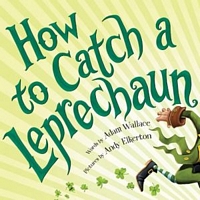
The How to Catch series does not need to be read in order, and readers can start with any book, though How to Catch a Leprechaun is a common entry point. The series features rhyming picture books where children attempt to trap mythical or seasonal creatures using creative and often humorous contraptions.
-
# of Titles:
13
-
First Book:
How to Catch a Leprechaun (February 2016)
-
Latest Book:
How to Catch a Gingerbread Man (Book 13) (August 2021)
-
Age Level:
Kids: Picture Books
-
Series Rating:
-
Reading Order:
🟢 Fully Standalone · Start Anywhere
- Connect:
- Share:
Join the FictionDB email list to get access to the latest news and exclusive content.
The How to Catch Books in Order (13 Books)
| Order | Book | Date | Rating | |
|---|---|---|---|---|
| 1 | How to Catch a Leprechaun | Feb-2016 | 2 | |
| 2 | How to Catch the Tooth Fairy | Jul-2016 | 5 | |
| 3 | How to Catch an Elf | Oct-2016 | 0 | |
| 4 | How to Catch the Easter Bunny | Feb-2017 | 3 | |
| 5 | How to Catch a Monster | Sep-2017 | 5 | |
| 6 | How to Catch a Mermaid | Jul-2018 | 4 | |
| 7 | How to Catch a Turkey | Sep-2018 | 4 | |
| 8 | How to Catch a Snowman | Sep-2018 | 4 | |
| 9 | How to Catch a Unicorn | Apr-2019 | 4 | |
|
| ||||
| 10 | How to Catch a Dinosaur | Jul-2019 | 2 | |
| 11 | How to Catch a Dragon | Nov-2019 | 4 | |
| 12 | How to Catch a Yeti | Sep-2020 | 4 | |
| 13 | How to Catch a Gingerbread Man | Aug-2021 | 4.5 | |
Series Premise
The How to Catch series by Adam Wallace is a children's picture book series built around imaginative problem-solving. Each book focuses on a different creature, such as a leprechaun, unicorn, or Easter Bunny, and follows attempts to catch it. The central conflict revolves around designing traps and outsmarting elusive characters. The structure uses rhythmic text and escalating attempts that lead to playful outcomes.
The How to Catch Series Reading Order
🟢 Fully Standalone · Start Anywhere
Each book is fully standalone and can be read in any order.
The How to Catch series books in order are not required, as each story is fully self-contained with its own setup and resolution. There is no overarching storyline or character progression connecting the books. Each installment introduces a new creature and a new set of attempts to catch it, with no carryover between entries. Reading out of order does not affect understanding or enjoyment.
Explanation of reading order types
The How to Catch Series Characters
The books typically feature groups of children acting as problem-solvers and inventors. These characters create traps and plans to capture the featured creature. The creatures themselves, such as leprechauns or dragons, are central to each story's conflict. There is no recurring cast across the series.
Setting of the The How to Catch Series
The stories are set in everyday environments such as classrooms, homes, or backyards. These familiar settings contrast with the magical creatures being pursued. The setting supports the trap-building process and visual storytelling. Each book presents its own contained environment.
Tone & Themes of the The How to Catch Series
The tone is playful, energetic, and humorous, with a focus on creativity and experimentation. Themes include problem-solving, persistence, and imaginative thinking. The rhyming structure adds rhythm and engagement for read-aloud sessions. The stories emphasize fun rather than success in catching the creature.
Is the The How to Catch Series Worth Reading?
The How to Catch series is well suited for young readers and classroom activities. It encourages creativity by showing different ways to approach a challenge. The short, rhythmic format makes it accessible and engaging. It works well for interactive reading and discussion.
Content Warnings and Heat Level
Content is appropriate for all ages, with no violence or mature themes. The stories include mild tension related to failed attempts or playful mischief. There are no distressing elements. The series is designed for preschool and early elementary readers.
The How to Catch series offers complete flexibility, allowing readers to pick any book without following a sequence. Its consistent structure and creative premise make each story easy to understand. For young readers interested in imaginative challenges, it provides clear, self-contained narratives.
Books in this series fall into the following genres
Age Level
Sub-Genres