- Series
- | Authors
- | Book Release Calendar
- | Search |
- Genres
- | Newsletter
- Welcome to FictionDB, Guest
- | My Account
- | Help

Big Nate Comics — by Lincoln Peirce

-
# of Titles:
26
-
First Book:
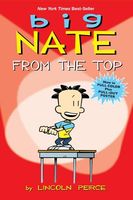
Big Nate From the Top (October 2010)
-
Latest Book:
Big Nate: Move It or Lose It! (Book 29) (September 2023)
-
Genres:
Graphic Novel
-
Age Level:
Kids (12 & Under)
-
Series Rating:
- Related Series:
- Connect:
- Share:
Join the FictionDB email list to get access to the latest news and exclusive content.
The Big Nate Comics Books in Order (30 Books)
Series Premise
Big Nate (real name Nate Wright) is a sixth-grade boy who believes he is destined for greatness ("destined for awesomeness") but constantly faces everyday middle-school setbacks: bad grades, detentions, embarrassing moments, rivalries, crushes, and schemes gone wrong. Each book is a mix of short comic strips and longer connected stories showing Nate’s chaotic, overconfident attempts to achieve fame, impress girls, outsmart teachers, or survive school life. The humor comes from Nate’s wildly exaggerated self-image clashing with reality—he sees himself as a genius, sports star, and future legend, while everyone else sees a goofy, troublemaking kid who’s always one step away from disaster.
The Big Nate Comics Series Characters
Nate Wright (Big Nate) — Protagonist and narrator; 11–12-year-old sixth-grader with spiky hair and an enormous ego. Obsessed with comics, basketball, arcade games, and impressing girls (especially Jenny). Constantly lands in detention, argues with teachers, and dreams of fame.
> Francis — Nate’s best friend; smart, logical, and level-headed. Loves chess, video games, and keeping Nate grounded.
> Teddy — Nate’s other best friend; goofy, loyal, and always up for mischief. Provides much of the comic relief.
> Jenny — Nate’s longtime crush; smart, popular, and completely uninterested in him (she thinks he’s annoying). A recurring source of heartbreak and comedy.
> Artur — Nate’s friendly rival; foreign exchange student from Belarus; kind, talented, and accidentally steals Jenny’s attention.
> Mrs. Godfrey — Nate’s strict, no-nonsense English/social studies teacher; often gives him detentions; Nate’s arch-nemesis.
> Principal Nichols — The principal; frequently exasperated by Nate.
> Nate’s dad — Single father; well-meaning but clueless and often overwhelmed by Nate’s antics.
Setting of the The Big Nate Comics Series
Modern-day small-town/suburban America, primarily P.S. 38 (Public School 38), Nate’s middle school. Key recurring locations:
> School: classrooms, hallways, cafeteria, gym, detention room, and the principal’s office.
> Nate’s house (shared with his dad and older sister).
> Local hangouts: comic-book store, arcade, movie theater, parks, and friends’ homes.
The world is instantly recognizable to kids: lockers, school buses, lunch tables, sports fields, and the universal middle-school experience.
Tone & Themes of the The Big Nate Comics Series
Hilarious, irreverent, and very kid-relatable—pure comedic gold with a sarcastic, exaggerated middle-school voice. The tone is light-hearted, self-aware, and full of slapstick humor, witty one-liners, and over-the-top reactions. Nate is never truly mean-spirited; his failures are funny and endearing rather than cruel. The books celebrate creativity, friendship, and not taking yourself too seriously, while gently poking fun at school rules, teachers, and adolescent ego. It’s energetic, laugh-out-loud funny, and comforting—perfect for reluctant readers and fans of Diary of a Wimpy Kid-style humor.
The series is adored for its laugh-out-loud humor, relatable middle-school chaos, expressive cartoon art, and Nate’s hilariously inflated ego—perfect for kids who love comics like Big Nate, Diary of a Wimpy Kid, or Timmy Failure. It has inspired animated specials (Nickelodeon), a short-lived TV show, and massive merchandising. The books are quick, funny, and highly bingeable for young readers.
Books in this series fall into the following genres
Genres
Sub-Genres
Frequently Asked Questions (FAQ)
Top Series in Graphic Novel