- Series
- | Authors
- | Book Release Calendar
- | Search |
- Genres
- | Newsletter
- Welcome to FictionDB, Guest
- | My Account
- | Help

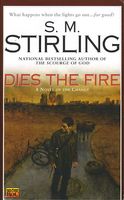
Dies the Fire — by S.M. Stirling

-
Description:
The Dies the Fire series is best read in order, starting with Dies the Fire, as character relationships and storylines develop across the series. In a world where a mysterious event called the Change suddenly disables electricity, guns, and most modern technology, survivors like Mike Havel and Juniper Mackenzie must rebuild society amid chaos and new dangers.
-
# of Titles:
4
-
First Book:
Dies the Fire (August 2004)
-
Latest Book:
The Sunrise Lands (Book 4) (September 2007)
-
Genres:
Alternative History
-
Series Rating:
-
Reading Order:
🔄 Best Read in Order · Start with Book 1: Dies the Fire
- Connect:
- Share:
Join the FictionDB email list to get access to the latest news and exclusive content.
The Dies the Fire Books in Order (4 Books)
| Order | Book | Date | Rating |
|---|---|---|---|
| 1 | Dies the Fire | Aug-2004 | 5 |
| 2 | The Protector's War | Sep-2005 | 5 |
| 3 | A Meeting at Corvallis | Sep-2006 | 5 |
| 4 | The Sunrise Lands | Sep-2007 | 5 |
Series Premise
The Dies the Fire series explores the immediate and long-term consequences of the Change on humanity. Each book follows different groups of survivors as they adapt to a pre-industrial world, form new communities, and face threats from warlords and desperate raiders.
The Dies the Fire Series Reading Order
🔄 Best Read in Order · Start with Book 1: Dies the Fire
Standalone stories, but characters and relationships develop across the series.
Publication order gives the best experience for the Dies the Fire series. Each book has a complete central plot with its own survival challenges and resolution, but character relationships and ongoing developments carry across the series. Readers who begin later in the series will understand the main events yet miss the deepening alliances, personal growth, and context for the evolving post-Change world that add significant depth.
Explanation of reading order types
The Dies the Fire Series Characters
Mike Havel serves as a central figure in early books, a former Marine who becomes a leader of a wandering warrior band. Juniper Mackenzie emerges as another key protagonist, a folk musician who founds a neo-pagan clan, with both characters playing vital roles in rebuilding civilization.
Setting of the The Dies the Fire Series
The series is set in a post-apocalyptic Pacific Northwest and beyond, where the sudden loss of technology forces survivors to rely on horses, bows, and medieval-style tactics in a rapidly changing landscape.
Tone & Themes of the The Dies the Fire Series
The tone is realistic and gritty with moments of hope and human resilience. Central themes include survival and adaptation, the rebuilding of society, leadership and community, and the contrast between technology-dependent modern life and a return to older ways.
Is the The Dies the Fire Series Worth Reading?
This series appeals to readers who enjoy detailed post-apocalyptic stories, realistic survival narratives, and explorations of how society might reform after a global catastrophe. It suits fans of authors like S.M. Stirling who want thoughtful, large-scale world-building.
Content Warnings and Heat Level
Moderate violence and dark themes consistent with societal collapse; suitable for adult readers.
The Dies the Fire series presents one continuous vision of a world forced to start over. Its structure rewards sequential reading while delivering powerful individual survival stories. The blend of realistic consequences, strong characters, and societal rebuilding creates a compelling post-apocalyptic saga.