- Series
- | Authors
- | Book Release Calendar
- | Search |
- Genres
- | Newsletter
- Welcome to FictionDB, Guest
- | My Account
- | Help

Little Critter — by Mercer Mayer
Little Critter Series in Order: 205 books

Little Critter's Holiday Fun Mercer Mayer Feb-1984
Just Me and My Little Sister Mercer Mayer Mar-1986
Policeman Mercer Mayer Mar-1986
This Is My House Mercer Mayer Jul-1988
Little Sister's Birthday Mercer Mayer Jul-1988
Little Critter's Christmas Book Mercer Mayer Jul-1989
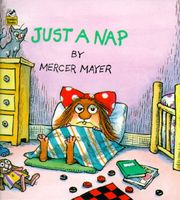
Just a Nap Mercer Mayer Jul-1989
This Is My Friend Mercer Mayer Feb-1990
Just a Daydream Mercer Mayer Feb-1990
The Fussy Princess Mercer Mayer Feb-1990
This Is My School Mercer Mayer Jun-1990
Just A Rainy Day Mercer Mayer Nov-1990
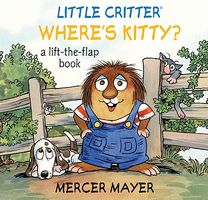
Where's Kitty? Mercer Mayer Jan-1991
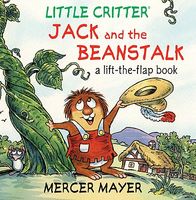
Jack and the Beanstalk: A Lift-The-Flap Book Mercer Mayer Jan-1991
Hansel and Gretel Mercer Mayer Jan-1991
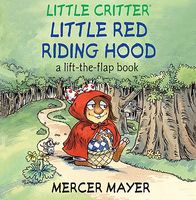
Little Red Riding Hood: A Lift-The-Flap Book Mercer Mayer Jun-1991
Little Critter at Scout Camp Mercer Mayer Jun-1991
Super Critter to the Rescue Mercer Mayer Jun-1992
Just Me and My Cousin Mercer Mayer Sep-1992
A Very Special Critter Mercer Mayer Apr-1993
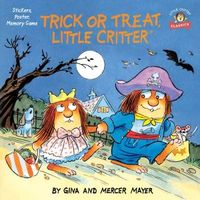
Trick or Treat, Little Critter Mercer Mayer Aug-1993
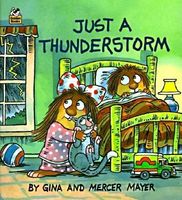
Just a Thunderstorm Mercer Mayer Oct-1993
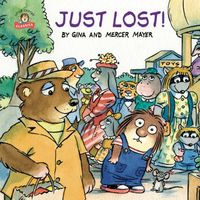
Just Lost! Mercer Mayer Sep-1994
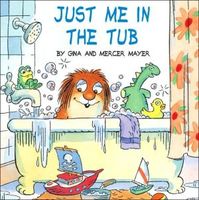
Just Me In The Tub Mercer Mayer Sep-1994
Little Critter's Campout Mercer Mayer Nov-1994
My Big Sister Mercer Mayer Jan-1995
Little Critters Search for the Beautiful Princess Mercer Mayer Oct-1995
Little Sister's Bracelet Mercer Mayer Jan-1996

Me too! Mercer Mayer 1996
This Is My Family Mercer Mayer Aug-1997
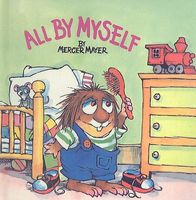
All by Myself Mercer Mayer Sep-1997
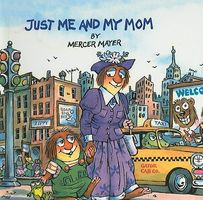
Just Me and My Mom Mercer Mayer Sep-1997
The Little Critter's The Trip Mercer Mayer Sep-1997
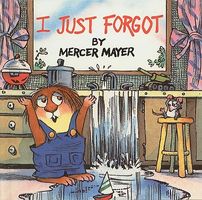
I Just Forgot Mercer Mayer Sep-1997
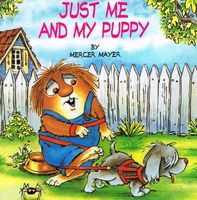
Just Me and My Puppy Mercer Mayer Sep-1997

Just for You Mercer Mayer Sep-1997
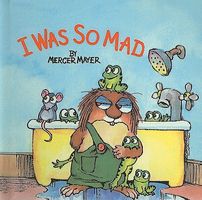
I Was So Mad Mercer Mayer Sep-1997
I Smell Christmas Mercer Mayer Sep-1997
Just a Magic Trick Mercer Mayer Feb-1998
Smelly Mystery Mercer Mayer Feb-1998
At the Beach with Dad Mercer Mayer Feb-1998
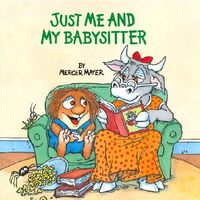
Just Me and My Babysitter Mercer Mayer Mar-1998
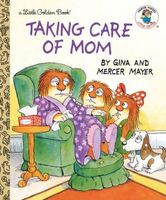
Taking Care of Mom Mercer Mayer Apr-1998
Just a Little Different Mercer Mayer Apr-1998
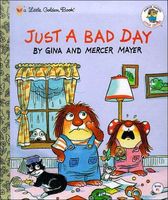
Just a Bad Day Mercer Mayer Apr-1998
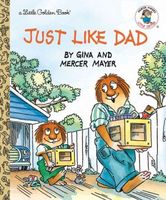
Just like Dad Mercer Mayer Apr-1998
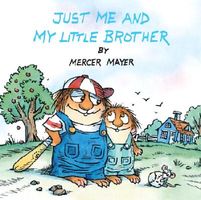
Just Me and My Little Brother Mercer Mayer Jul-1998
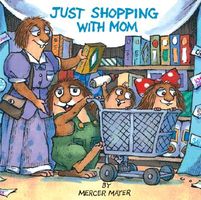
Just Shopping with Mom Mercer Mayer Jul-1998
Little Critter's Spooky Halloween Party Mercer Mayer Oct-1998
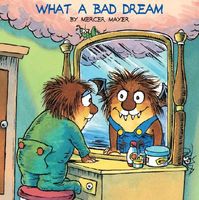
What a Bad Dream Mercer Mayer Sep-1999
Just a Bully Mercer Mayer Oct-1999

Merry Christmas Mom and Dad Mercer Mayer Oct-1999
Just Me and My Family Mercer Mayer Nov-1999

When I Get Bigger Mercer Mayer Dec-1999
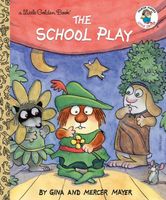
School Play Mercer Mayer Jan-2000
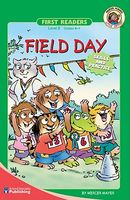
Field Day Mercer Mayer Mar-2000
Our Park Mercer Mayer Mar-2000
Little Critter's Joke Book Mercer Mayer Mar-2000
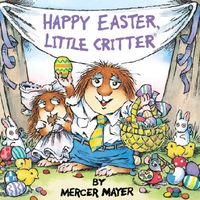
Happy Easter, Little Critter Mercer Mayer Mar-2000
No One Can Play Mercer Mayer Mar-2000
Baby Sister Says No Mercer Mayer May-2000
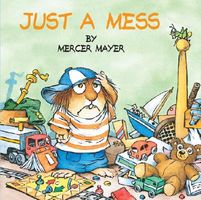
Just a Mess Mercer Mayer Jun-2000
Little Critter's the Best Present Mercer Mayer Jun-2000
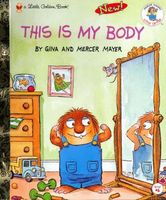
This Is My Body Mercer Mayer Aug-2000
Just a Toy Mercer Mayer Aug-2000
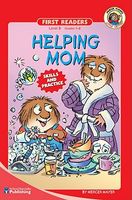
Helping Mom Mercer Mayer Sep-2000
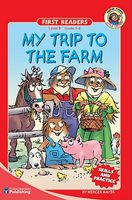
My Trip to the Farm Mercer Mayer Sep-2000
Just a New Neighbor Mercer Mayer Dec-2000
I'm Sorry Mercer Mayer Dec-2000
Just Camping Out Mercer Mayer Dec-2000
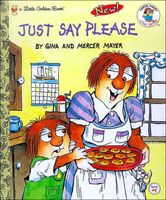
Just Say Please Mercer Mayer Feb-2001
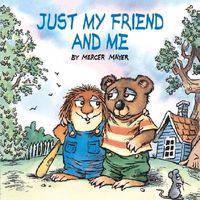
Just My Friend and Me Mercer Mayer Apr-2001
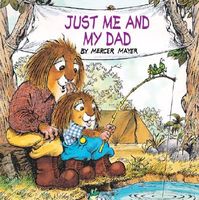
Just Me and My Dad Mercer Mayer Apr-2001
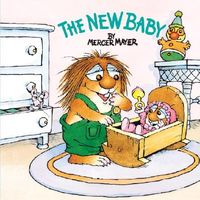
The New Baby Mercer Mayer Apr-2001

Just Grandpa and Me Mercer Mayer Apr-2001

Just Grandma and Me Mercer Mayer Apr-2001

Just Going to the Dentist Mercer Mayer Apr-2001
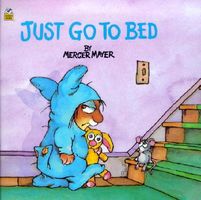
Just Go to Bed Mercer Mayer May-2001
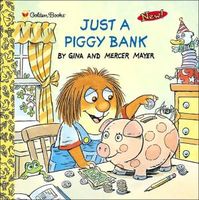
Just a Piggy Bank Mercer Mayer Jun-2001
Play Ball Mercer Mayer Jun-2001
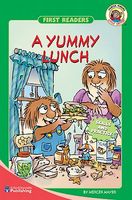
A Yummy Lunch Mercer Mayer Jul-2001
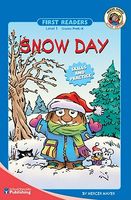
Snow Day Mercer Mayer Jul-2001
Show and Tell Mercer Mayer Aug-2001
My Trip to the Zoo Mercer Mayer Aug-2001
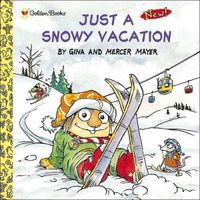
Just a Snowy Vacation Mercer Mayer Aug-2001
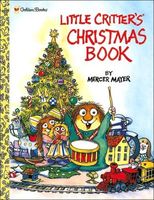
Little Critter's Christmas Storybook Mercer Mayer Aug-2001
Skills and Practice Mercer Mayer Sep-2001
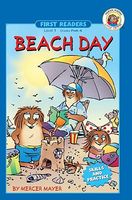
Beach Day Mercer Mayer Sep-2001
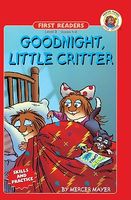
Goodnight, Little Critter Mercer Mayer Jun-2002
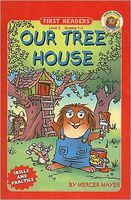
Our Tree House Mercer Mayer Jun-2002
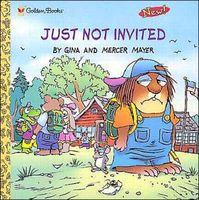
Just Not Invited Mercer Mayer Jun-2002
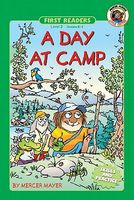
A Day at Camp Mercer Mayer Jun-2002
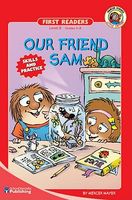
Our Friend Sam Mercer Mayer Jul-2002
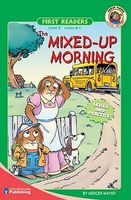
Mixed up Morning Mercer Mayer Jul-2002
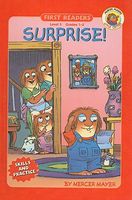
Surprise! Mercer Mayer Jul-2002
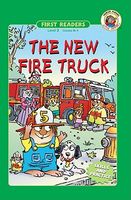
The New Fire Truck Mercer Mayer Aug-2002
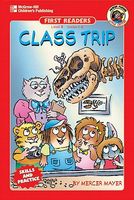
Class Trip Mercer Mayer Aug-2002
Camping Out Mercer Mayer Sep-2002
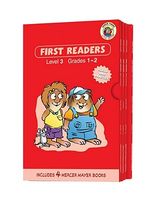
Mercer Mayer's Little Critter First Readers Mercer Mayer Oct-2002
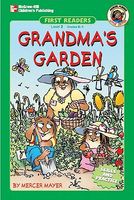
Grandma's Garden Mercer Mayer Nov-2002
Our Trip to the Zoo Mercer Mayer Mar-2003
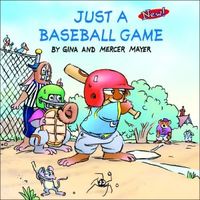
Just a Baseball Game Mercer Mayer Mar-2003

New Potty Mercer Mayer Jun-2003
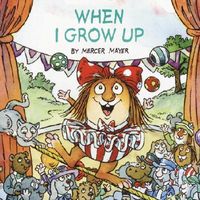
When I Grow Up Mercer Mayer Jun-2003
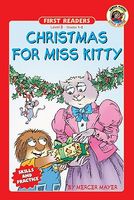
Christmas for Miss Kitty Mercer Mayer Aug-2003
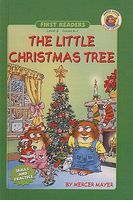
The Little Christmas Tree Mercer Mayer Aug-2003
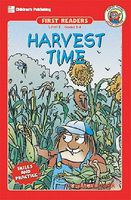
Harvest Time Mercer Mayer Sep-2003
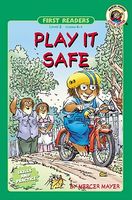
Play It Safe Mercer Mayer Oct-2003
We Love You Little Critter! Mercer Mayer Dec-2003
Skating Day Mercer Mayer Jan-2004
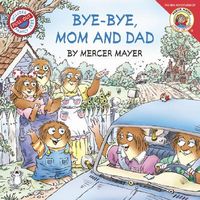
Bye-Bye, Mom and Dad Mercer Mayer Jul-2004
Just a Little Homework Mercer Mayer Jul-2004

Just a School Project Mercer Mayer Jul-2004
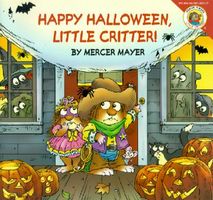
Happy Halloween, Little Critter! Mercer Mayer Sep-2004
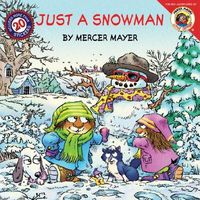
Just a Snowman Mercer Mayer Oct-2004
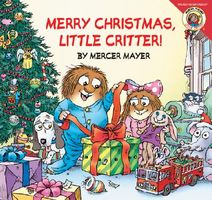
Merry Christmas, Little Critter! Mercer Mayer Oct-2004

Good for Me and You Mercer Mayer Jan-2005
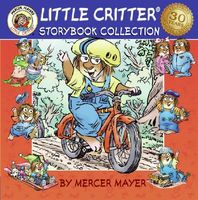
Little Critter Storybook Collection Mercer Mayer Jul-2005
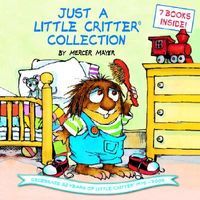
Just a Little Critter Collection Mercer Mayer Jul-2005

It's My Birthday! Mercer Mayer Aug-2005

My Trip to the Hospital Mercer Mayer Nov-2005
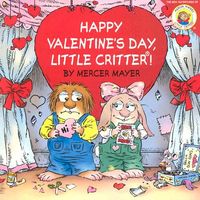
Happy Valentine's Day, Little Critter! Mercer Mayer Dec-2005
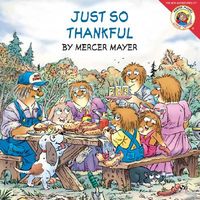
Just So Thankful Mercer Mayer Sep-2006
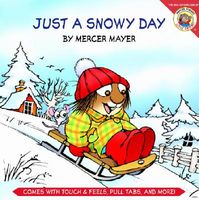
Just a Snowy Day Mercer Mayer Oct-2006
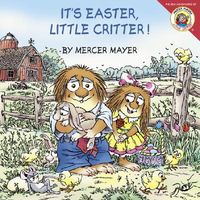
It's Easter, Little Critter! Mercer Mayer Feb-2007
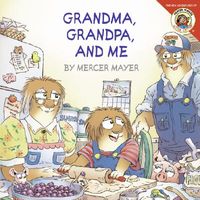
Grandma, Grandpa, and Me Mercer Mayer May-2007

Happy Father's Day Mercer Mayer May-2007
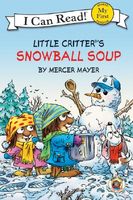
Snowball Soup Mercer Mayer Oct-2007
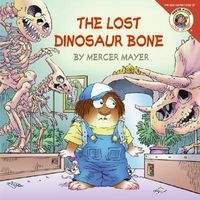
Lost Dinosaur Bone Mercer Mayer Nov-2007
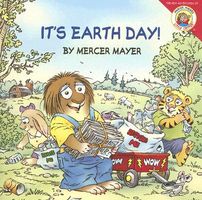
It's Earth Day Mercer Mayer Mar-2008

The Best Teacher Ever Mercer Mayer May-2008
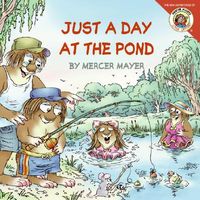
Just a Day at the Pond Mercer Mayer Jul-2008

Going to the Firehouse Mercer Mayer Jul-2008
To the Rescue! Mercer Mayer Sep-2008
This Is My Town Mercer Mayer Jan-2009
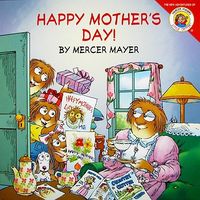
Happy Mother's Day! Mercer Mayer Mar-2009
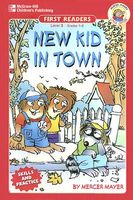
New Kid in Town Mercer Mayer Jul-2009
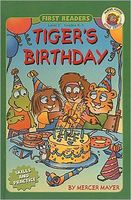
Tiger's Birthday Mercer Mayer Jul-2009
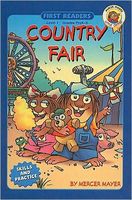
Country Fair Mercer Mayer Jul-2009
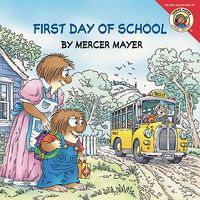
First Day of School Mercer Mayer Jul-2009
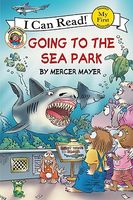
Going to the Sea Park Mercer Mayer Sep-2009
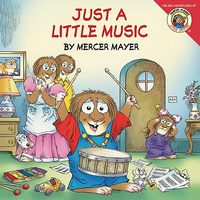
Just A Little Music Mercer Mayer Dec-2009
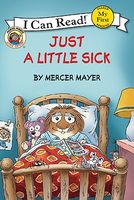
Just a Little Sick Mercer Mayer Jan-2010
Where Is My Sneaker? Mercer Mayer May-2010
Where Is My Frog? Mercer Mayer May-2010
Adventures of Little Critter Mercer Mayer Jun-2010
Just Saving My Money Mercer Mayer Jul-2010
The Best Yard Sale Mercer Mayer Aug-2010
Just Critters Who Care Mercer Mayer Sep-2010
Little Critter Hansel and Gretel: A Lift-The-Flap Book Mercer Mayer Sep-2010
Little Critter's the Night Before Christmas Mercer Mayer Oct-2010
Little Critter Sleeps Over Mercer Mayer Jan-2011
Little Critter's Adventure Storybook Mercer Mayer 2011
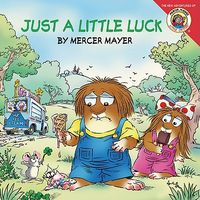
Just a Little Luck Mercer Mayer Feb-2011
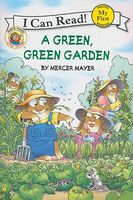
A Green, Green Garden Mercer Mayer Mar-2011

Just Helping My Dad Mercer Mayer May-2011
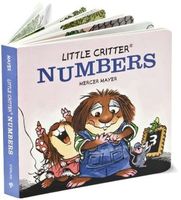
Little Critter Numbers Mercer Mayer May-2011
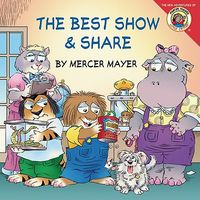
The Best Show & Share Mercer Mayer Jul-2011

Little Critter a Busy Day Mercer Mayer Aug-2011
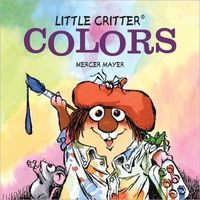
Little Critter Colors Mercer Mayer Oct-2011
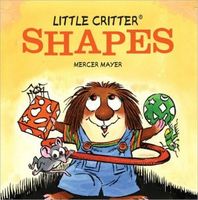
Little Critter Shapes Mercer Mayer Oct-2011
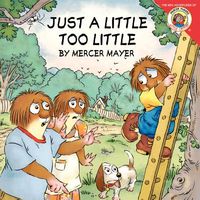
Just a Little Too Little Mercer Mayer Feb-2012
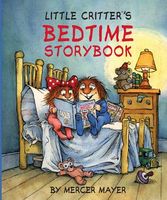
Little Critter's Bedtime Storybook Mercer Mayer Mar-2012
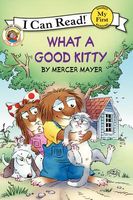
What a Good Kitty Mercer Mayer May-2012
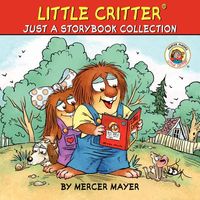
Just a Storybook Collection Mercer Mayer Aug-2012
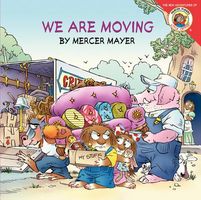
We Are Moving Mercer Mayer Oct-2012
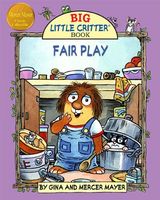
Fair Play Mercer Mayer Nov-2012
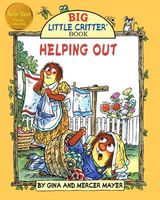
Helping Out Mercer Mayer Nov-2012
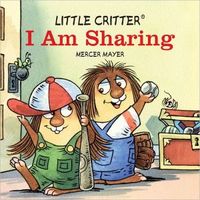
Little Critter I Am Sharing Mercer Mayer Nov-2012
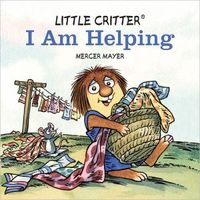
Little Critter I Am Helping Mercer Mayer Nov-2012

Little Critter: Bedtime Stories Mercer Mayer Jan-2013
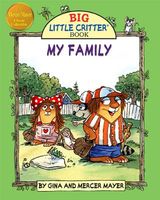
My Family Mercer Mayer Jan-2013
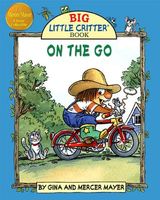
On The Go Mercer Mayer Feb-2013
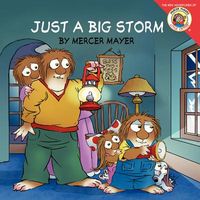
Just a Big Storm Mercer Mayer Mar-2013
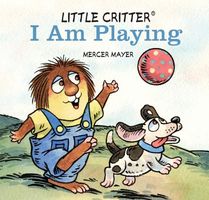
Little Critter I Am Playing Mercer Mayer Apr-2013
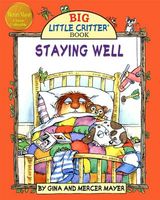
Staying Well Mercer Mayer Apr-2013
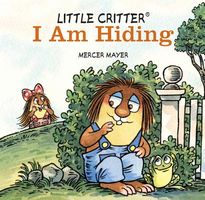
Little Critter I Am Hiding Mercer Mayer Apr-2013
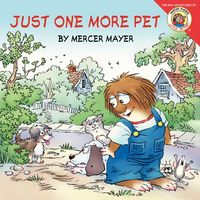
Just One More Pet Mercer Mayer May-2013

Just Big Enough Mercer Mayer Jun-2013
Just a Little Love Mercer Mayer Dec-2013
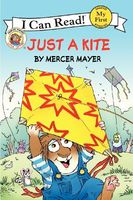
Just a Kite Mercer Mayer Mar-2014
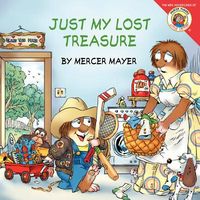
Just My Lost Treasure Mercer Mayer Jun-2014
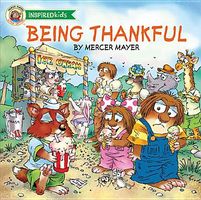
Being Thankful Mercer Mayer Aug-2014
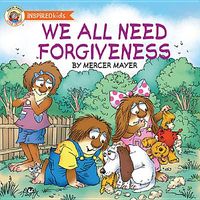
We All Need Forgiveness Mercer Mayer Aug-2014
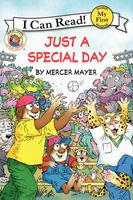
Just a Special Day Mercer Mayer Oct-2014
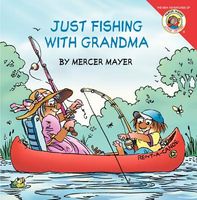
Just Fishing with Grandma Mercer Mayer Mar-2015
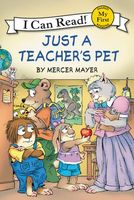
Just a Teacher's Pet Mercer Mayer Jun-2015
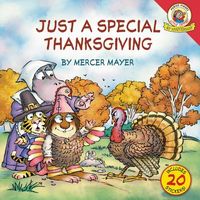
Just a Special Thanksgiving Mercer Mayer Sep-2015
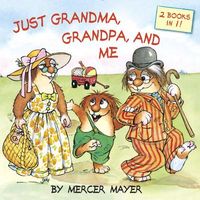
Just Grandma, Grandpa, and Me Mercer Mayer Feb-2016

Just a Baby Bird Mercer Mayer Mar-2016
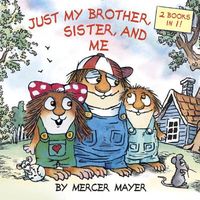
Just My Brother, Sister, and Me Mercer Mayer Jul-2016
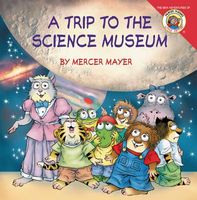
My Trip to the Science Museum Mercer Mayer Mar-2017
Just an Adventure at Sea Mercer Mayer May-2017
Just Pick Us, Please! Mercer Mayer Oct-2017

Exploring the Great Outdoors Mercer Mayer Mar-2018
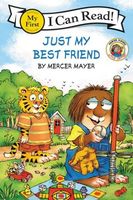
Just My Best Friend Mercer Mayer Sep-2019
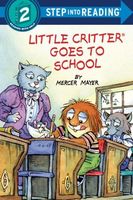
Little Critter Goes to School Mercer Mayer Jun-2020
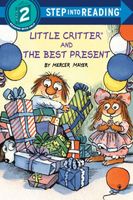
Little Critter and the Best Present Mercer Mayer Sep-2020
Little Critter's Little Sister! Mercer Mayer Dec-2020
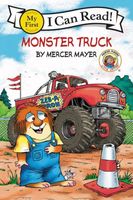
Monster Truck Mercer Mayer Mar-2023
Series Premise
Each book follows Little Critter, an adorable, anthropomorphic young critter (a small, furry creature resembling a hamster or bear cub), as he experiences everyday childhood situations and minor mishaps. The stories are simple slice-of-life tales about typical kid experiences: trying to help around the house, going to school, playing with friends, dealing with a new sibling, getting in trouble, going to the doctor, celebrating holidays, or learning small lessons. Little Critter often tries to do the right thing but ends up causing accidental chaos or making mistakes, only to be gently corrected or forgiven by his patient family. The books teach basic values—trying your best, responsibility, kindness, patience, and family love—through relatable, low-stakes situations.
Little Critter Series Characters
Little Critter — The protagonist; a small, round, furry creature (usually depicted as a hamster-like animal) with big eyes and a constant expression of earnestness or mild confusion. Sweet, clumsy, well-meaning, and always trying hard — but often making things worse in funny ways.
> Mom — Patient, loving, and gentle mother; often exasperated but never angry; wears an apron and keeps the family together.
> Dad — Kind, supportive, and laid-back father; helps with projects, reads stories, and joins in family activities.
> Little Sister — Younger sibling (appears in many books); cute, mischievous, and often the cause of extra chaos.
> Grandma and Grandpa — Warm, doting grandparents who appear in holiday and family-visit stories.
Setting of the Little Critter Series
A cozy, timeless, everyday suburban or small-town American home and neighborhood (deliberately vague on exact era or location). Key recurring places include:
> Little Critter’s family home (bedroom, kitchen, living room, backyard).
> School, playground, doctor’s office, grocery store, grandparents’ house, or local park.
> Seasonal settings: Christmas, Halloween, summer vacation, rainy days, etc.
Tone & Themes of the Little Critter Series
Warm, gentle, funny, and comforting — pure feel-good children's literature with a light, playful touch. The tone is optimistic, reassuring, and humorous, focusing on the innocence and charm of childhood rather than conflict or serious problems. Little Critter’s mistakes are endearing and never harshly punished; parents are loving and understanding. The books are short, repetitive, and easy to read aloud, with a soothing, nostalgic quality that makes them perfect for bedtime or classroom use.
The series is adored for its relatable childhood moments, expressive illustrations (Little Critter’s big eyes and dramatic expressions), simple repetitive text, and positive messages about trying, helping, and being loved despite mistakes. It has sold tens of millions of copies, inspired animated specials, and remains a staple in homes, classrooms, and libraries worldwide for bedtime reading and early literacy.
Books in this series fall into the following genres
Age Level
People / Creatures