- Series
- | Authors
- | Book Release Calendar
- | Search |
- Genres
- | Newsletter
- Welcome to FictionDB, Guest
- | My Account
- | Help

Judy Moody — by Megan McDonald
Judy Moody Series in Order: 20 books
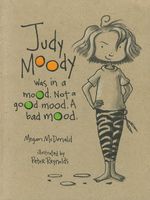
Judy Moody was in a Mood
Megan McDonald
Book - 1
Aug-2000
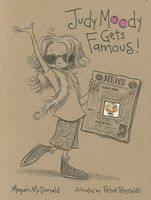
Judy Moody Gets Famous!
Megan McDonald
Book - 2
Sep-2001
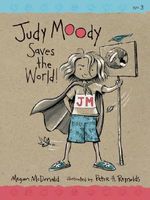
Judy Moody Saves the World!
Megan McDonald
Book - 3
Jul-2002
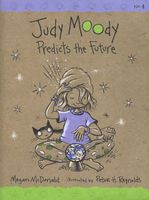
Judy Moody Predicts the Future
Megan McDonald
Book - 4
Jul-2003
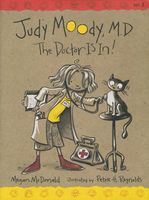
Judy Moody, M.D.: The Doctor Is In!
Megan McDonald
Book - 5
Jul-2004
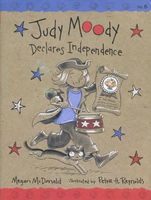
Judy Moody Declares Independence
Megan McDonald
Book - 6
May-2005
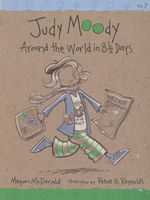
Judy Moody Around the World in 8 1/ 2 Days
Megan McDonald
Book - 7
Jul-2006
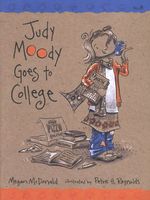
Judy Moody Goes to College
Megan McDonald
Book - 8
Jul-2008
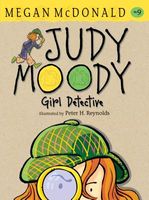
Judy Moody, Girl Detective
Megan McDonald
Book - 9
Aug-2010
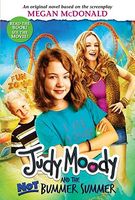
Judy Moody and the Not Bummer Summer
Megan McDonald
Book - 10
May-2011
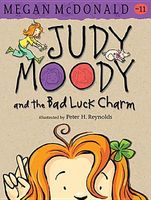
Judy Moody and the Bad Luck Charm
Megan McDonald
Book - 11
Aug-2012
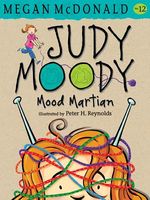
Judy Moody, Mood Martian
Megan McDonald
Book - 12
Aug-2014
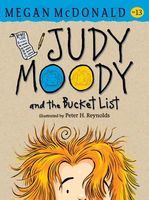
Judy Moody and the Bucket List
Megan McDonald
Book - 13
Aug-2016
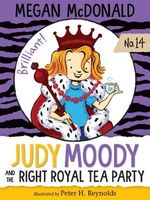
Judy Moody and the Right Royal Tea Party
Megan McDonald
Book - 14
Sep-2018
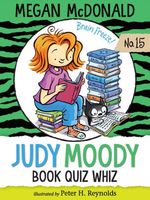
Judy Moody, Book Quiz Whiz
Megan McDonald
Book - 15
Sep-2019
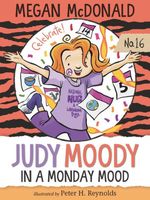
In a Monday Mood
Megan McDonald
Book - 16
Sep-2021
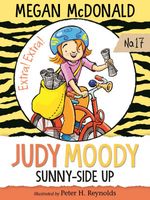
Sunny-Side Up
Megan McDonald
Book - 17
Sep-2024
Judy Moody's Double-Rare Way-Not-Boring Book Of Fun Stuff To Do Megan McDonald May-2005
Judy Moody's Way Wacky Uber Awesome Book of More Fun Stuff t... Megan McDonald Feb-2010
Judy Moody's Mini Mysteries and Other Sneaky Stuff for Super Sleuths Megan McDonald Aug-2012
Series Premise
The Judy Moody series is a children's chapter book series centered on Judy Moody, an imaginative and outspoken elementary school student. Each book focuses on a new challenge, such as school projects, competitions, holidays, personal goals, or family adventures. Judy's reactions to these situations often create humorous complications that she must learn to handle. The series combines realistic school-life stories with humor and age-appropriate lessons about growing up.
Judy Moody Series Reading Order
🔄 Best Read in Order · Start with Book 1: Judy Moody was in a Mood
Standalone stories, but characters and relationships develop across the series.
Publication order provides the best experience for reading the Judy Moody series. Each book features its own complete story, but Judy's friendships, family relationships, school experiences, and personal growth continue from one installment to the next. Characters develop naturally as the series progresses, and recurring events often reference earlier books. Readers who jump ahead can easily follow the main plot, but they may miss background details that add depth to Judy's relationships and development.
Explanation of reading order types
Judy Moody Series Characters
Judy Moody is the central character, known for her strong opinions, changing moods, and creative approach to everyday problems. Her younger brother, Stink Moody, appears throughout the series and often becomes both a source of frustration and an unexpected ally. Judy's friends, including Rocky Zang and Frank Pearl, play important roles in many stories, while her teachers and parents help shape the challenges she encounters. Together, these recurring characters create a consistent community that evolves across the series.
Setting of the Judy Moody Series
The Judy Moody series takes place primarily in Judy's school, neighborhood, and family home. The setting reflects contemporary suburban childhood, with classroom activities, family outings, community events, and friendships serving as the backdrop for most stories. Familiar locations help connect the books while allowing each adventure to explore a different aspect of Judy's life. The everyday setting makes the series accessible to young readers.
Tone & Themes of the Judy Moody Series
The series uses a lighthearted, humorous tone while addressing common childhood experiences. Themes include friendship, sibling relationships, self-confidence, responsibility, curiosity, and adapting to change. Many stories explore how Judy learns to manage disappointment, celebrate successes, and understand other people's perspectives. Humor remains central even when the books tackle more serious emotional situations.
Is the Judy Moody Series Worth Reading?
The Judy Moody series may appeal to readers who enjoy realistic children's fiction with humor, school settings, and relatable characters. It is particularly well suited for elementary-age readers who like stories about friendships, family life, and everyday adventures. Fans of character-driven chapter book series often appreciate watching Judy grow through new experiences while remaining true to her distinctive personality.
Content Warnings and Heat Level
The series is written for middle-grade readers and contains no sexual content. Themes occasionally include school stress, sibling conflicts, social disagreements, embarrassment, or mild emotional challenges. The content remains age-appropriate and focuses on positive problem-solving and personal growth. Violence and mature subject matter are minimal.
The Judy Moody series follows one memorable character through a wide range of school and family adventures. While each book tells its own story, publication order provides the fullest view of Judy's relationships and growth. Readers looking for humorous middle-grade fiction with relatable challenges and recurring characters will find plenty to explore in these books in order.
Books in this series fall into the following genres
Age Level
Genres
Sub-Genres
People / Creatures