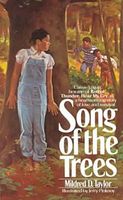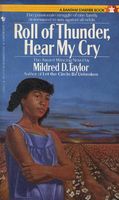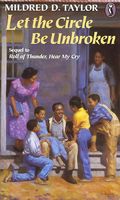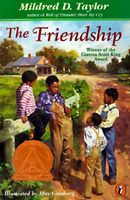
Logan Family Books in Order
Complete reading order for the Logan Family series.
#
Title
Date
About the Logan Family series
Series Premise
The series follows the Logan family—a hardworking, land-owning Black family in Mississippi—as they struggle to hold onto their small farm and maintain their pride and independence amid the crushing weight of racism, poverty, and the constant threat of violence from white neighbors and the broader Jim Crow society. Through the eyes of young Cassie Logan and her siblings, the stories depict everyday acts of courage, family solidarity, moral choices, and quiet defiance against injustice, while chronicling the slow, painful growth of awareness about race and power in the segregated South.
The series should be read in publication order (which aligns with the chronological timeline of the family's life). While individual books can be read somewhat independently as they focus on specific events or time periods, the overarching family saga, character development (especially Cassie’s coming-of-age), and cumulative emotional weight of recurring themes and historical context build progressively across the volumes. Order matters significantly for the deepest experience, as later books reference earlier incidents, relationships deepen, and the reader’s understanding of the family’s long-term struggles and triumphs is enriched—though the strong narrative voice and self-contained episodes allow reasonable enjoyment out of sequence.
Main Characters
Cassie Logan — The spirited, observant narrator of several books, a young girl (ages 9–10 in the core story) who grows into a fiercely intelligent and principled young woman. Her voice—curious, outspoken, and increasingly aware of racism—anchors the series and provides the reader’s emotional entry point.
- The Logan family —
- David and Mary Logan — Cassie’s parents, strong, principled, and deeply committed to protecting their land and children from injustice. David is a determined, resourceful farmer; Mary is a loving, courageous teacher.
- Big Ma (Caroline Logan) — The wise, resilient grandmother who holds the family together with stories, faith, and unyielding strength.
- Christopher-John, Stacey, and Little Man — Cassie’s three brothers, each with distinct personalities: Stacey is the responsible older brother, Christopher-John gentle and cautious, Little Man fiery and proud.
- Supporting figures — Friends like T.J. Avery (a troubled boy whose choices lead to tragedy), Jeremy Simms (a rare white ally), and community members who illustrate the range of responses to oppression.
- Antagonists — White landowners, night riders, corrupt officials, and prejudiced neighbors who embody the systemic racism and personal cruelty of the Jim Crow South.
Setting
The series is set in rural Mississippi during the 1930s and early 1940s, primarily on the Logan family’s hard-won 400-acre farm in a fictional area near Strawberry and other small towns. The landscape is vividly Southern—red clay roads, cotton fields, dense woods, a one-room schoolhouse, a general store, and the ever-present threat of night riders and economic exploitation. The Great Depression and Jim Crow laws shape daily life: sharecropping, segregated schools, unequal justice, and the constant danger of white violence create a palpable atmosphere of tension and resilience.
Tone & Themes
Taylor’s tone is honest, dignified, and deeply emotional, blending quiet strength with unflinching realism about racism and injustice. The stories are often heartbreaking—showing the daily humiliations, threats, and losses the Logans endure—yet they are never hopeless: the family’s love, moral courage, and refusal to be broken provide a steady undercurrent of hope and pride. The narration (especially through young Cassie’s eyes) is clear-eyed and direct, with moments of warmth, humor, and tenderness in family life that balance the heavier themes. The overall mood is poignant and inspiring—serious and reflective, yet ultimately affirming of human dignity and the power of standing firm.
Mildred D. Taylor’s Logan Family series stands as a powerful, enduring testament to Black resilience, family strength, and quiet courage in the face of relentless injustice. Through Cassie’s growing understanding and the Logans’ unwavering dignity, it illuminates the harsh realities of the Jim Crow South while celebrating the unbreakable spirit of those who refuse to be diminished. The books remain essential reading—honest, heart-wrenching, and ultimately hopeful—offering young readers (and adults) both historical truth and timeless lessons in pride, love, and resistance. They remind us that even in the hardest soil, roots can hold fast, and a family’s honor can endure.
FAQ
How many books are in the Logan Family series?
9 books
When will the next book in the series be released?
No new book is currently scheduled. The latest book, All the Days Past, All the Days to Come, was published in January 2020.
When was the most recent book released?
All the Days Past, All the Days to Come was published in January 2020.
What was the first book in the series?
The first book in the series is The Land, published in September 2001.
What genre is the Logan Family series?
The series primarily falls into the Historical genre.
What is the Logan Family series about?
The series follows the Logan family—a hardworking, land-owning Black family in Mississippi—as they struggle to hold onto their small farm and maintain their pride and independence amid the crushing weight of racism, poverty, and the constant threat of violence from white neighbors and the broader Jim Crow society. Through the eyes of young Cassie Logan and her siblings, the stories depict everyday acts of courage, family solidarity, moral choices, and quiet defiance against injustice, while chronicling the slow, painful growth of awareness about race and power in the segregated South. The series should be read in publication order (which aligns with the chronological timeline of the family's life). While individual books can be read somewhat independently as they focus on specific events or time periods, the overarching family saga, character development (especially Cassie’s coming-of-age), and cumulative emotional weight of recurring themes and historical context build progressively across the volumes. Order matters significantly for the deepest experience, as later books reference earlier incidents, relationships deepen, and the reader’s understanding of the family’s long-term struggles and triumphs is enriched—though the strong narrative voice and self-contained episodes allow reasonable enjoyment out of sequence.
Is the Logan Family series finished?
The series does not currently have a new book scheduled.
Cover Art From the Logan Family series
Browse covers from the Logan Family series.